
Elevate Interior Design with Interior Photorealistic Rendering
Imagine stepping into your dream home before a single nail is hammered or a single wall painted. Sounds like magic, right? Well, with the power of interior photorealistic rendering, this magic is now a reality! As someone passionate about innovative home design, I’m excited to share how this cutting-edge technology is transforming the way we visualize and create interiors. Whether you’re building a new home or remodeling, photorealistic rendering can elevate your design process to a whole new level.
Why Interior Photorealistic Rendering is a Game-Changer
Have you ever struggled to picture how a room will look once it’s finished? Traditional blueprints and sketches can only take you so far. That’s where interior photorealistic rendering steps in. This technology creates lifelike 3D images of your interior spaces, capturing every detail from lighting and textures to furniture and finishes.
Here’s why it’s a total game-changer:
Visual Clarity: See exactly how colors, materials, and lighting interact in your space.
Design Confidence: Make decisions with certainty, avoiding costly mistakes.
Client Communication: Builders and homeowners can easily understand and agree on design plans.
Customization: Experiment with different styles, layouts, and decor before committing.
For example, imagine previewing your kitchen with various countertop materials or testing different lighting schemes in your living room—all from your computer or tablet. This hands-on approach saves time and money while sparking creativity.

How Interior Photorealistic Rendering Works
Curious about the magic behind the scenes? Interior photorealistic rendering combines advanced 3D modeling with powerful rendering software to produce images that look like photographs. Here’s a simple breakdown:
3D Modeling: Designers create a detailed digital model of the interior space, including walls, windows, furniture, and fixtures.
Material Application: Realistic textures and finishes are applied to surfaces—think wood grains, fabric weaves, and glossy tiles.
Lighting Setup: Virtual lights mimic natural sunlight and artificial sources, casting realistic shadows and reflections.
Rendering Process: The software calculates how light interacts with materials, producing a high-resolution image.
Post-Processing: Final touches enhance colors, contrast, and sharpness for a polished look.
This process allows you to explore your design from multiple angles and lighting conditions. Want to see how your bedroom looks at sunset? No problem! Need to check if your furniture fits perfectly? Just rotate the view.
Bringing Your Vision to Life with Photorealistic Interior Rendering
One of the most exciting parts of this technology is how it brings your ideas to life. When I work with homeowners and builders, I always emphasize the importance of collaboration. Photorealistic interior rendering acts as a bridge between imagination and reality.
Here’s how you can make the most of it:
Start with a Clear Vision: Share your style preferences, favorite colors, and must-have features.
Review Renderings Together: Use the images to discuss what works and what needs tweaking.
Test Different Scenarios: Swap out furniture, change wall colors, or try new lighting setups.
Make Informed Choices: Decide on materials and layouts with confidence, knowing exactly how they’ll look.
This approach reduces guesswork and ensures everyone is on the same page. Plus, it’s a lot of fun to see your dream home take shape digitally before construction begins!

Practical Tips for Using Interior Photorealistic Rendering in Your Project
Ready to dive in? Here are some actionable tips to help you leverage photorealistic rendering effectively:
Choose the Right Software or Service: Look for providers specializing in residential interiors with a strong portfolio.
Provide Detailed Input: The more information you give—floor plans, photos, material samples—the better the renderings.
Set Realistic Expectations: While renderings are highly accurate, slight variations can occur in real life.
Use Renderings for Marketing: Builders can showcase stunning visuals to attract clients and secure approvals.
Incorporate Feedback Loops: Review and revise renderings multiple times to perfect your design.
By following these steps, you’ll maximize the benefits of photorealistic interior rendering and enjoy a smoother design journey.
Transforming Home Design in the Pacific Northwest
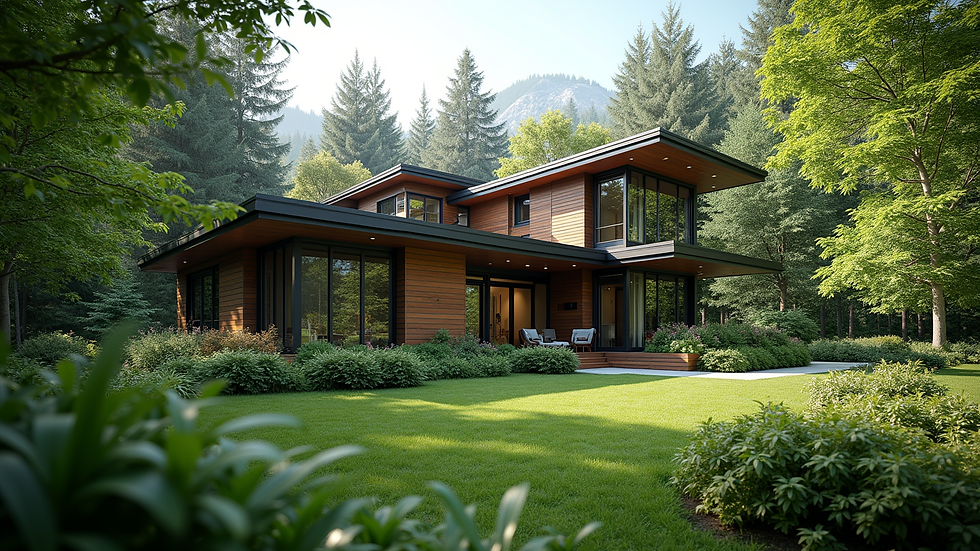
Living in the Pacific Northwest means embracing unique architectural styles and natural surroundings. Photorealistic rendering helps capture this regional charm perfectly. Whether it’s a cozy cabin in the woods or a sleek urban condo, this technology highlights the interplay of natural light, textures, and colors that define our homes here.
At Smart Line Home Design, we’re proud to be at the forefront of this innovation in Vancouver and Portland. Our goal is to help you visualize your dream home with stunning accuracy and ease. Imagine walking through your future space virtually, making changes on the fly, and feeling confident every step of the way.
If you want to explore how photorealistic interior rendering can elevate your next project, don’t hesitate to reach out. Let’s create something extraordinary together!
Ready to see your dream home before it’s built? Photorealistic rendering is the key to unlocking your imagination and making your vision crystal clear. Embrace this technology and watch your interior design ideas come to life like never before!

Comments